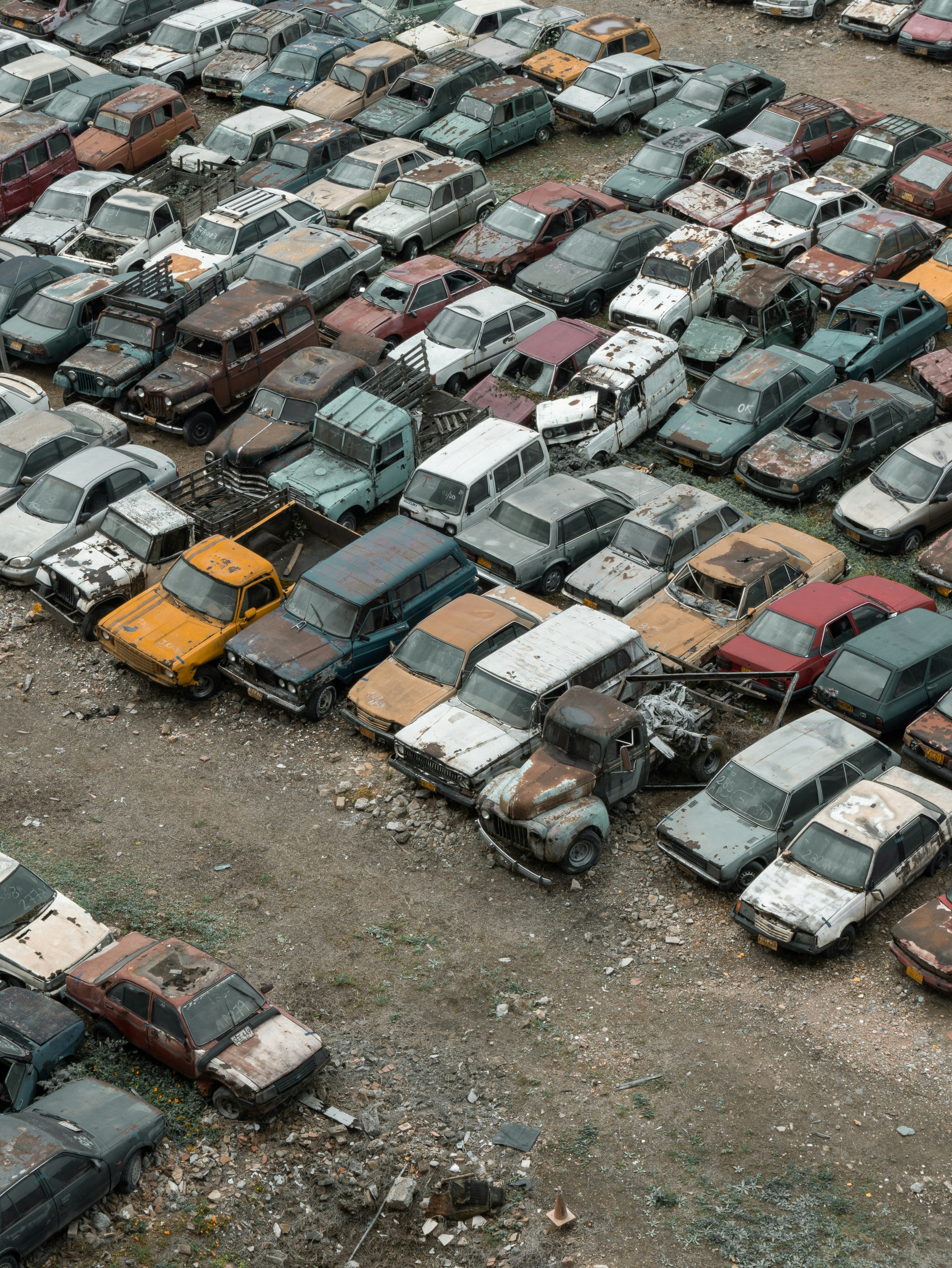
Watching your old car get towed away is often a relief, but have you ever wondered where it goes? It doesn't just sit in a pile forever. It enters a sophisticated recycling ecosystem designed to recover every reusable material and responsibly dispose of the rest. Here is the lifecycle of your junk car after it leaves your driveway.
Step 1: The Depollution Process
Before any crushing or shredding happens, the vehicle must be made safe. This is the most critical environmental step. Technicians drain all fluids—gasoline, oil, brake fluid, antifreeze, and transmission fluid. These are stored in tanks to be sold, reused, or processed at hazardous waste facilities. The battery is removed to recycle the lead and plastic, and the mercury switches (often found in older cars) are carefully extracted to prevent contamination.
Step 2: Parts Salvage
If the car has working components, it helps other cars stay on the road. Engines, transmissions, alternators, starters, and body panels that are in good condition are removed. These "green parts" are a cost-effective and eco-friendly alternative to manufacturing new parts. Tires with good tread are resold; worn tires are recycled into rubber mulch or fuel.
Step 3: The Crusher
Once the fluids are gone and the valuable parts are stripped, the vehicle hull remains—mostly steel and aluminum. To make transport efficient, the car is flattened in a massive hydraulic crusher. This reduces the volume of the vehicle, allowing a flatbed truck to carry many crushed cars at once to the shredder facility.
Step 4: Shredding and Separation
At the industrial shredder, the flattened car is fed into a machine with fist-sized hammers that spin at high speeds. In seconds, the car is reduced to chunks of metal, glass, and plastic.
Powerful magnets separate the iron and steel (ferrous metals) from the mix. Air jets, flotation tanks, and eddy currents then separate the non-ferrous metals (aluminum, copper, brass) from the waste (glass, plastic, foam).
Step 5: Melting and Rebirth
The separated scrap metals are shipped to steel mills and foundries. There, they are melted down in furnaces at temperatures exceeding 2,800°F. The molten metal is cast into beams, sheets, or coils, ready to be manufactured into new cars, appliances, or buildings. Your old sedan could be part of the next skyscraper in Phoenix!